
Your logo isn’t your brand. It’s one piece of it.
That’s an important distinction, especially for businesses that are ready to stop looking like everyone else in their industry.
A strong brand isn’t just about having a nice logo, choosing a few colors, and downloading some fonts. Branding is how your business is recognized, remembered, and perceived.
And when you’re competing for high-value clients, perception matters.
What Is Branding?
Branding is the process of intentionally shaping how people experience and perceive your business.
It includes the visual elements people see, but it goes much deeper than that.
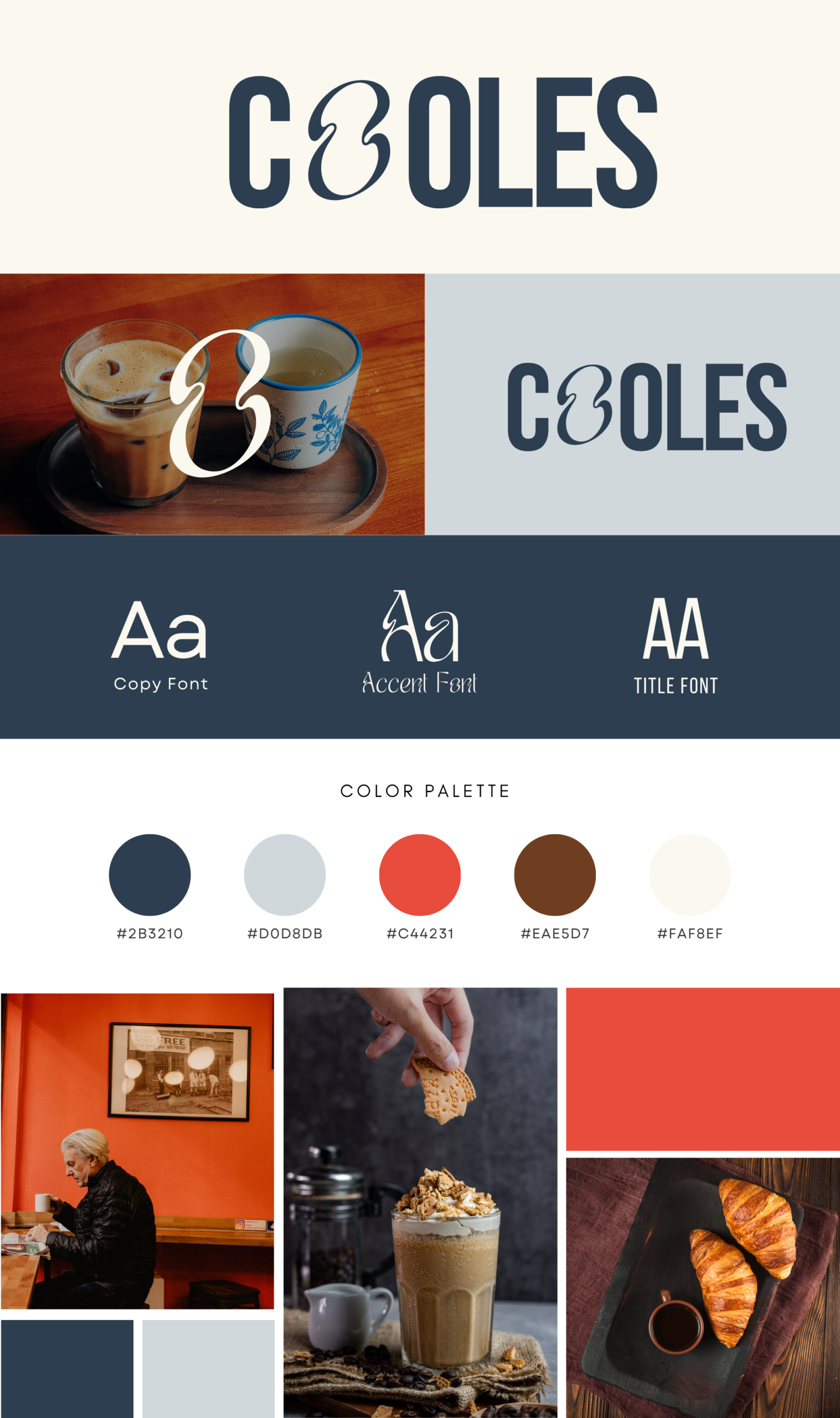
A complete brand can include:
- – Logo and logo variations
- – Color palette
- – Typography
- – Photography direction
- – Graphic elements
- – Brand personality
- – Brand voice
- – Messaging
- – Positioning
- – Brand guidelines
- – Social media presence
- – Website experience
- – Marketing materials
- – Customer experience
Your logo is simply one component of that system.
Think of it this way:
Your logo identifies you.
Your branding tells people who you are.
Why Does Branding Matter?
1. It Creates a Strong First Impression
People form opinions quickly.
Before someone calls your company, requests a quote, books a consultation, or walks through your doors, they’ve probably already encountered your brand somewhere.
It might be:
- Your website
- A business card
- An advertisement
- A proposal
- Your storefront
- A referral
If those experiences look inconsistent or outdated, people may subconsciously question the quality of the business behind them.
A professional brand creates confidence before the first conversation.
2. It Helps You Stand Out
Most industries are crowded.
Insurance agencies compete with other insurance agencies.
Consultants compete with other consultants.
Real estate companies compete with other real estate companies.
Hotels compete with other hotels.
If your brand looks exactly like everyone else, there’s little reason for someone to remember you.
Good branding creates differentiation.
It’s not about being flashy for the sake of being flashy.
It’s about creating an identity that communicates why your organization is different.
3. It Builds Trust
People want to know they’re making the right decision.
This is especially true when they’re spending significant amounts of money or trusting a company with something important.
Consider a:
- Financial advisor
- Insurance agency
- Business consultant
- Real estate developer
- Hotel
- Professional services firm
These businesses are selling something that requires trust.
A thoughtful, consistent brand can help reinforce that trust.
Your branding doesn’t replace good service.
It helps people believe you’re capable of delivering it.
4. Consistency Makes Your Business Look Established
Imagine visiting a company’s website and seeing one logo.
Then you visit its Instagram and see another.
Its business cards use different colors.
Its proposal uses different fonts.
Its sales presentation looks completely unrelated.
Even if the company is excellent, the brand feels disorganized.
Consistency changes that.
Your logo, colors, typography, photography, messaging, website, social media, and marketing materials should feel like they’re coming from the same organization.
That’s where brand guidelines become valuable.
5. Branding Makes Marketing More Effective
A strong brand gives your marketing team something to work with.
Instead of reinventing the look and tone of every campaign, you have an established system.
Your team can quickly determine:
What should this look like?
What should this sound like?
Which colors should we use?
How should our logo appear?
What type of imagery represents us?
How should we communicate with customers?
That makes marketing more consistent and efficient.
Branding Isn’t Just for New Businesses
One of the biggest misconceptions about branding is that it’s primarily for startups.
Established businesses often benefit even more from a strategic rebrand.
Your company may have changed significantly since your original branding was created.
Maybe you’ve:
- Expanded into new markets
- Added new services
- Acquired another company
- Changed leadership
- Started targeting larger clients
- Opened additional locations
- Outgrown your original identity
- Changed your positioning
Your brand should reflect where your company is going—not just where it started.